
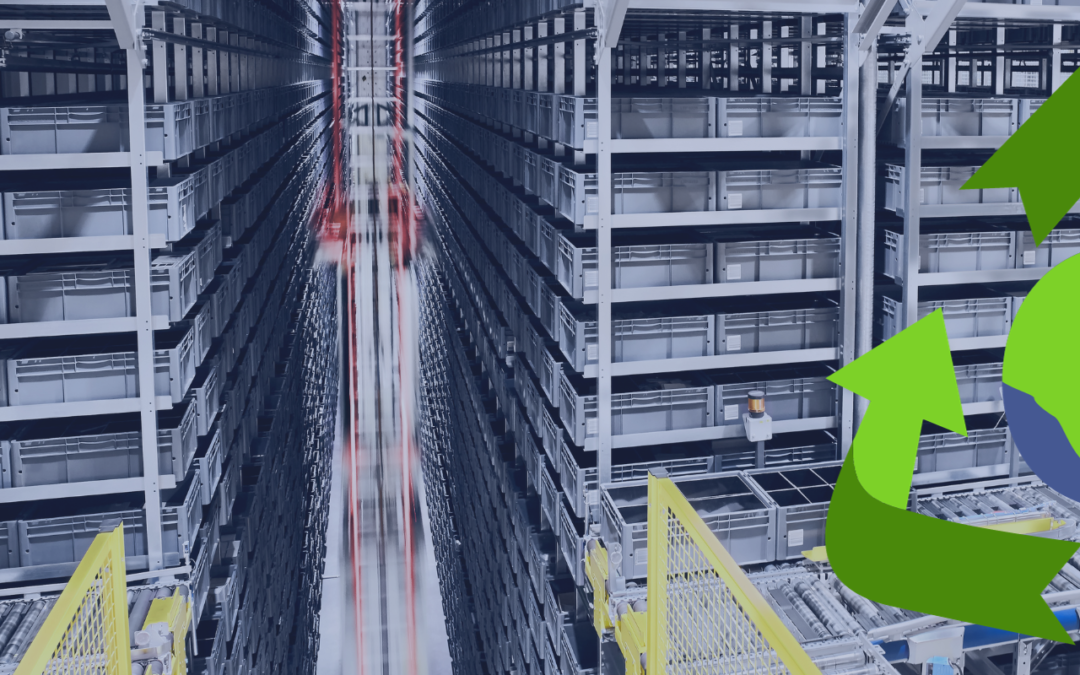
Green Initiatives and Sustainability with a WMS (Warehouse Management System): How a WMS Can Contribute to Reducing Waste, Energy Consumption, and Carbon Footprint. In recent years, the global spotlight has shifted towards sustainability and environmental responsibility, prompting businesses across industries to re-evaluate their practices and make conscious efforts to reduce their carbon footprint. Warehouse management is no exception. In fact, with the right approach and the implementation of a Warehouse Management System (WMS), warehouses can play a significant role in the quest for a greener future.
The Warehouse Industry’s Environmental Challenge
Warehouses are the backbone of modern supply chains, serving as hubs for the storage, processing, and distribution of goods. However, they also pose significant environmental challenges, such as excessive energy consumption, high waste production, and increased carbon emissions due to transportation and inefficient operations.
The Role of WMS in Sustainability
Green Initiatives and Sustainability with a WMS? A Warehouse Management System (WMS) is a software solution designed to optimise warehouse operations. Beyond enhancing efficiency and accuracy, WMS can be a powerful tool for reducing waste, energy consumption, and a company’s overall carbon footprint. Here’s how:
1. Efficient Space Utilisation
One of the primary ways WMS contributes to sustainability is by maximising space utilisation. By optimising inventory placement and dynamically managing storage, WMS helps reduce the need for additional warehousing space, thereby saving on construction costs and minimising the environmental impact of expanding warehouse facilities.
2. Just-in-Time Inventory Management
WMS enables real-time tracking of inventory levels and demand fluctuations. With this information, warehouses can practise just-in-time inventory management, reducing excess inventory and the associated waste of perishable goods or outdated products.
3. Energy Efficiency
WMS can help control energy consumption in various ways:
- Lighting and Temperature Control: WMS can integrate with smart warehouse systems to adjust lighting and temperature based on real-time occupancy and environmental conditions, reducing energy wastage.
- Route Optimization: For warehouses with automated guided vehicles (AGVs) or forklifts, WMS can optimise routes to minimise fuel consumption and emissions, contributing to a smaller carbon footprint.
- Peak Demand Management: WMS can distribute workload evenly throughout the day, reducing peak electricity demand and the need for additional energy resources.
4. Paperless Operations
WMS promotes paperless operations by digitising processes such as order picking, packing, and inventory tracking. This not only reduces paper waste but also saves time and labour, contributing to operational efficiency.
5. Recycling and Waste Reduction
WMS can track and manage waste more effectively by identifying materials for recycling and ensuring that disposal processes are environmentally friendly. This proactive approach to waste reduction aligns with sustainability goals.
6. Data-Driven Decision-Making
With WMS-generated data analytics, warehouses can make informed decisions about resource allocation and process optimization, further reducing waste and energy consumption.
As the world embraces the importance of sustainability and environmental responsibility, warehouse management systems are becoming essential tools for businesses looking to reduce waste, energy consumption, and their overall carbon footprint. By optimising space, promoting energy efficiency, enabling paperless operations, and providing data-driven insights, WMS plays a crucial role in shaping a greener future for the warehousing industry. As the technology continues to evolve, we can expect even more innovative ways for WMS to contribute to sustainability, making our supply chains more efficient, eco-friendly, and future-ready. Contact QWIX today to find out how implementing their world class Warehouse Management System and products can help your business be part of the drive for a better future.
Recent Comments